Learning Design
We believe that learning to be, learning to do, and learning to learn are more important than learning to know.
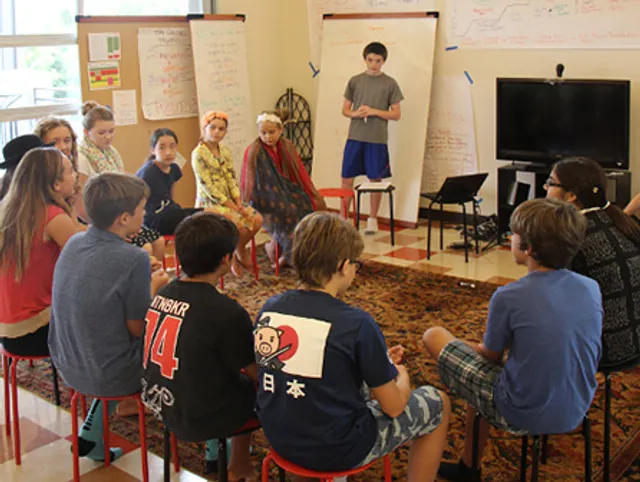
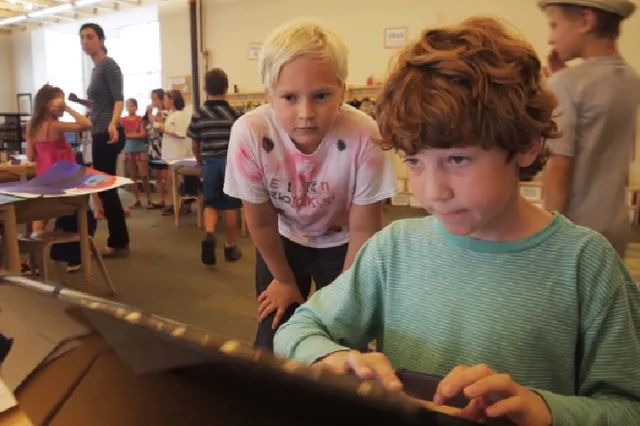
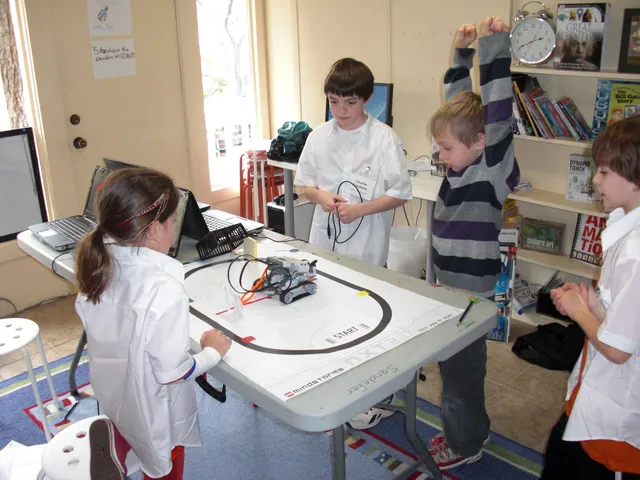
21st Century Learning
- 1
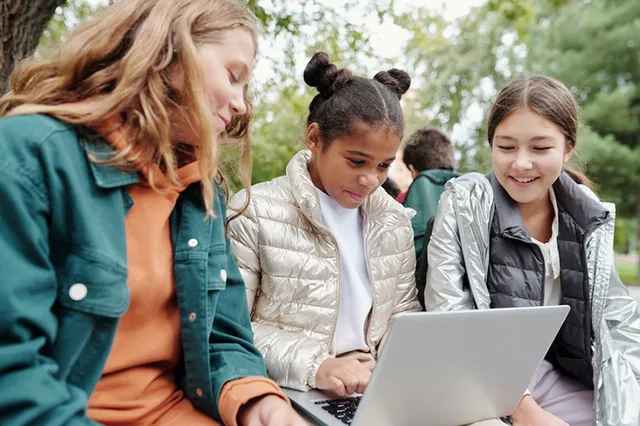
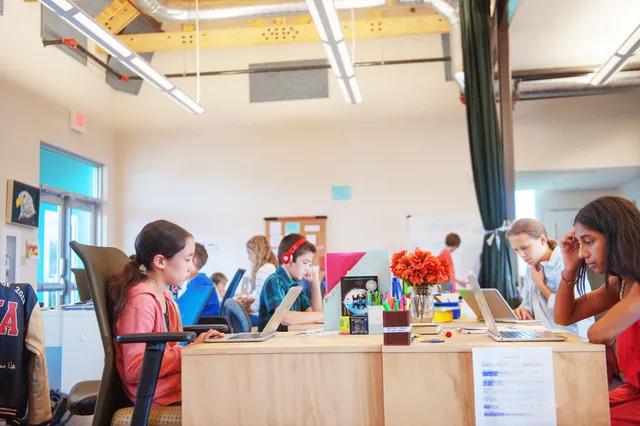
The latest in educational technology for self paced mastery of reading, writing and math skills.
- 2
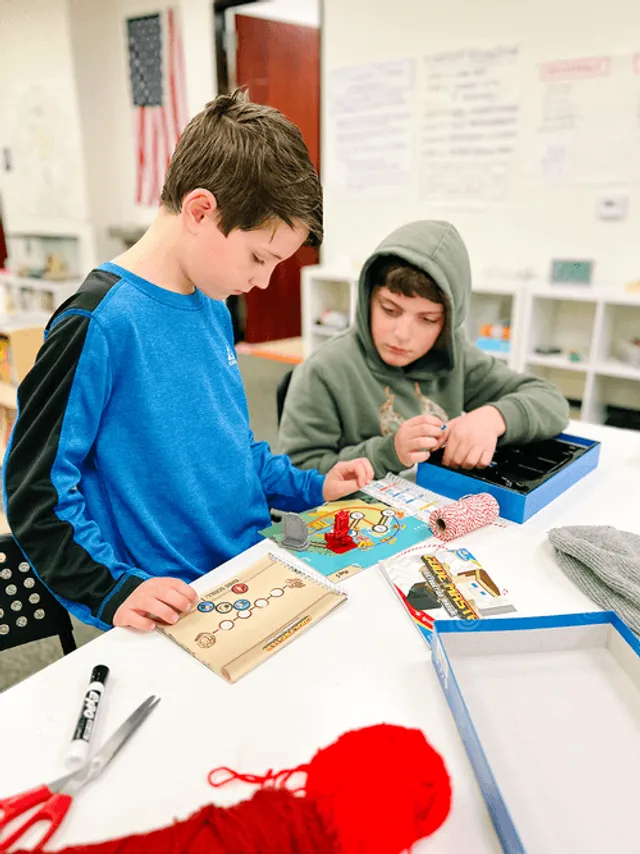
Hands-on project based quests to master the tools and skills needed to solve problems in the real world.
- 3
Deep Socratic discussions about heroes, history and self-governance to hone critical thinking skills and the ability to powerfully think, write and speak.
- 4
Professional tools for art, engineering, tech and storytelling in place of worksheets and busy work.
- 5
Written promises and covenants that form a tightly bound community of individuals learning to form authentic friendships and honestly resolve interpersonal problems.
We believe every child is a genius. Young heroes are in charge of their own learning. No traditional teachers. No homework. No tests.
Three Types of Learning
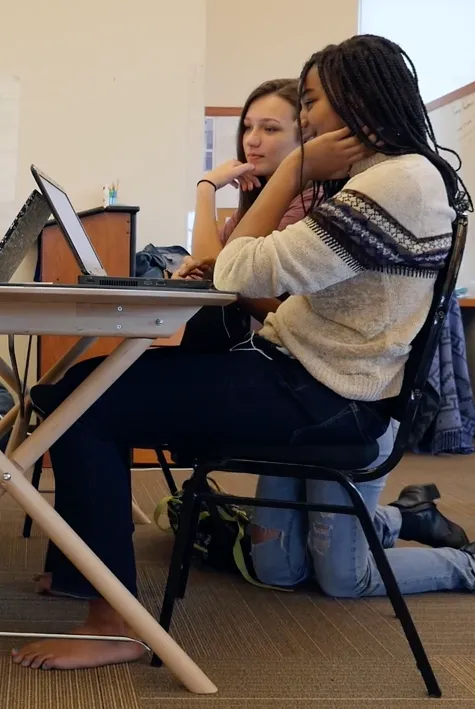
Learning to Learn.
Young people learn how to learn first. When good habits are formed, learning comes faster, with more depth, and in way that preserves natural curiosity and love of learning.
Learning to Do.
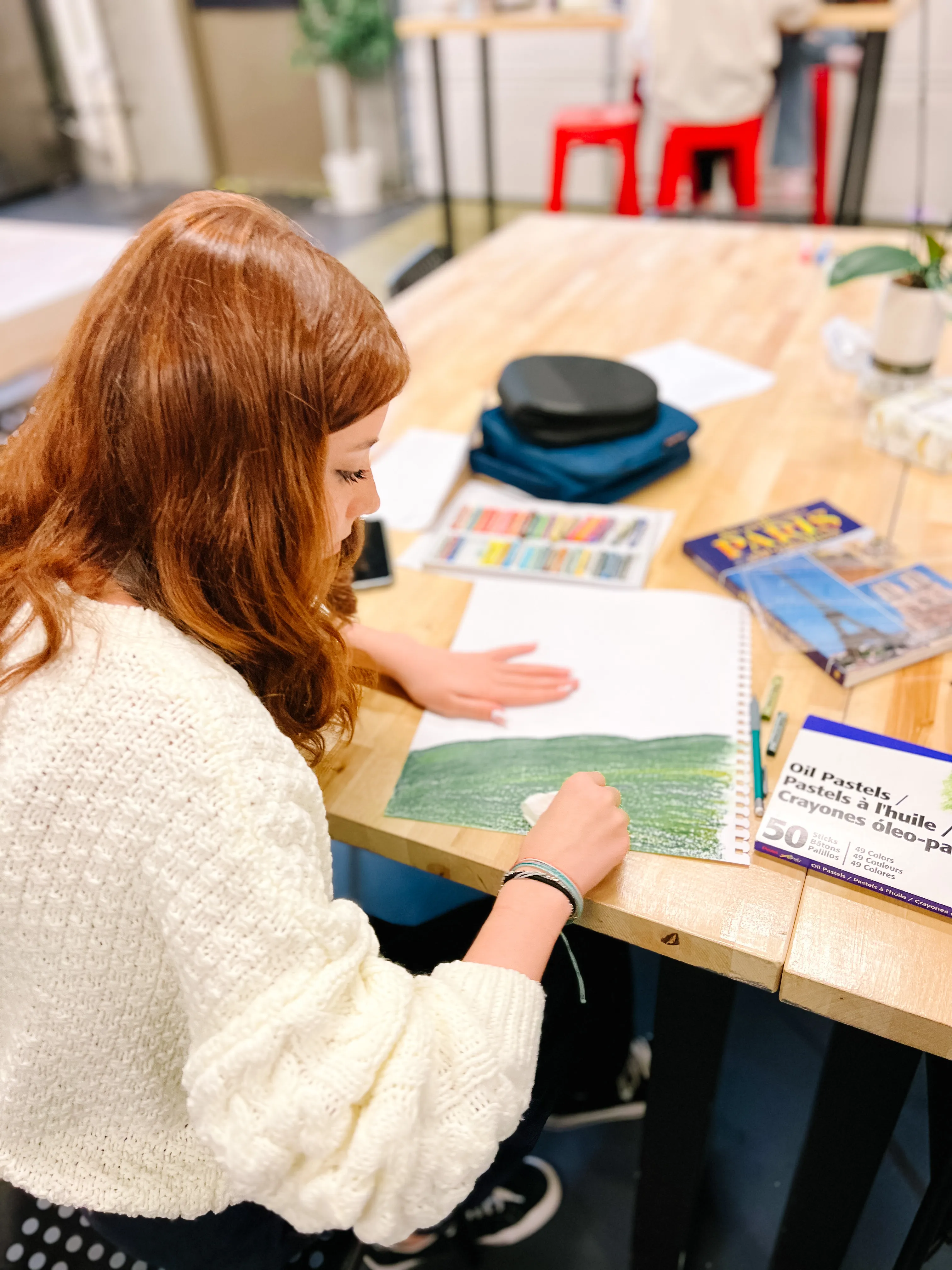
Real learning is active, which is why we replace worksheets, essays, lectures, and tests with real world, hands-on experiences that invite learners to develop real skills and discover deep passions.
Learning to Be.
Much like the real world, learners face monsters that take them off course; the resistance to doing the hard-important thing, staying focused on long term goals when distraction is near, and feeling like you are a helpless victim, rather than the hero of your own story. When learners face these challenges with courage, grit, and determination, they learn to be.
Measuring Mastery
Young heroes celebrate the mastery of tools, skills, and character by earning badges and taking part in public exhibitions.
- 1
Learners use badges to track academic progress in Core Skills like reading, writing, math and spelling and character development in Servant Leader Badges.
- 2
Young heroes deliver public exhibitions of their work at the end of each four to six week sprint.
- 3
Self-management and self-governance skills are measured by peer reviews at the end of each session.
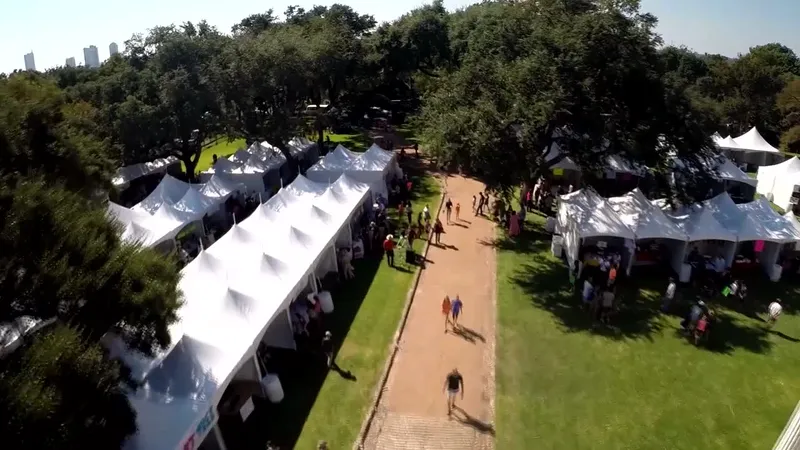
Every year, children build small businesses from the ground-up.
Watch the video to learn about our business fair.
Our Educational Philosophy
We believe clear thinking leads to good decisions, good decisions lead to the right habits, the right habits forge character, and character determines destiny.